Key Takeaways
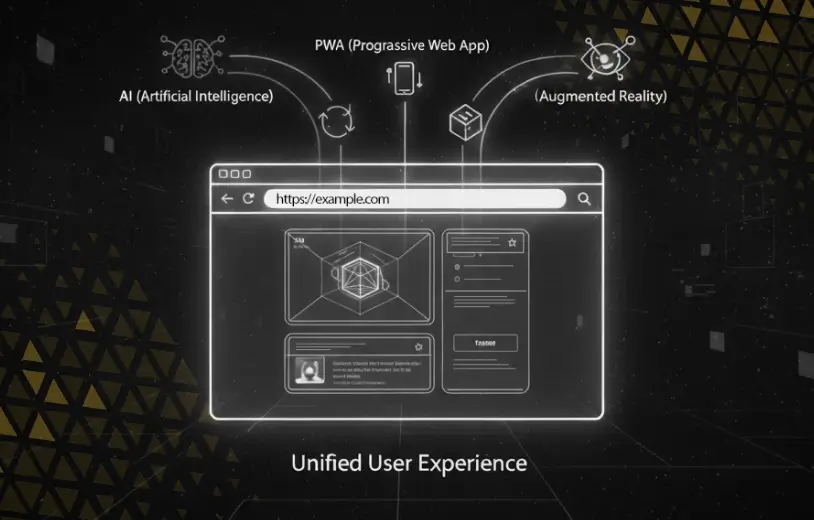
- AI will drive hyper-personalization, creating dynamic, user-specific experiences rather than static websites.
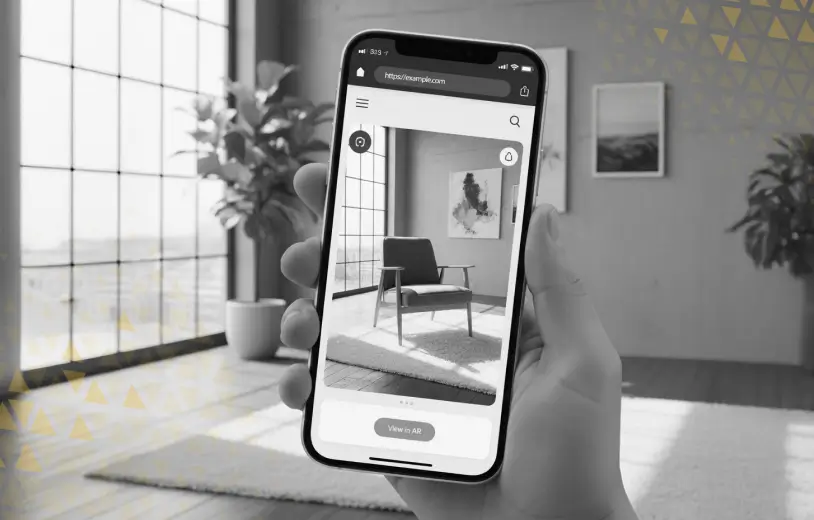
- Immersive WebXR experiences will become more common, allowing for virtual showrooms and augmented reality product try-ons.
- Progressive Web Apps (PWAs) will provide a seamless, app-like experience directly from the browser, boosting engagement.
- Speed and sustainability will be paramount, driven by efficient coding practices and a commitment to reducing a website’s digital carbon footprint.
- Accessibility-first design will evolve from a compliance measure to a foundational business practice for every enterprise.
The digital landscape is in a state of constant evolution.
For enterprise-level brands, staying ahead of the curve isn’t just a matter of tech-savviness; it’s a strategic imperative. As we look toward 2026, the future of web development isn’t just about code; it’s about creating intelligent, personalized, and deeply immersive digital experiences.
Here are the key web development trends that will define success for the coming years.
1. The Rise of AI and Hyper-Personalization
AI has moved beyond simple chatbots and is now fundamentally changing how websites are built and experienced. In 2026, we’ll see AI-powered personalization reach unprecedented levels.
Websites will adapt in real-time, tailoring content, layouts, and even calls-to-action based on a visitor’s behavior, preferences, and past interactions.
For developers, this means integrating predictive analytics and machine learning models to deliver a unique experience to every single user.
This shift moves the web from a one-size-fits-all brochure to a dynamic, responsive digital guide that truly understands and anticipates a customer’s needs.
2. Immersive Experiences with WebXR
Get ready for the web to become a more three-dimensional space. The convergence of virtual and augmented reality is creating opportunities for brands to tell stories and display products in entirely new ways.
Think of virtual showrooms where customers can walk through a product’s features or augmented reality “try-on” tools that allow them to see how a piece of furniture looks in their home.
This trend is fueled by advancements in browser capabilities and the increasing prevalence of high-speed 5G networks, allowing for rich, interactive experiences without the need for a separate app.
3. Progressive Web Apps (PWAs) as the New Standard
The line between native apps and websites will continue to blur, largely due to the widespread adoption of Progressive Web Apps. PWAs offer a fast, reliable, and engaging experience that can be installed on a user’s home screen without a trip to an app store.
For enterprises, PWAs are a powerful way to boost engagement. They provide an app-like experience with features like offline access and push notifications, all while benefiting from the discoverability and low development cost of a website.
This trend will be a game-changer for businesses looking to enhance their mobile presence without the friction of a traditional app.
4. The Unrelenting Focus on Speed and Sustainability
Performance has always mattered, but in 2026, it becomes a core ethical and business responsibility. A fast-loading site is not only a better user experience but also a more sustainable one.
Web development trends will lean heavily toward efficiency, from using serverless architectures and edge computing—which bring a website’s data closer to the user to reduce load times—to deploying lighter code and more efficient image formats.
This focus on performance isn’t just to please Google’s Core Web Vitals; it’s also about reducing a website’s carbon footprint, a growing concern for both consumers and businesses.
5. An Accessibility-First Mindset
Finally, as the digital world becomes more central to daily life, ensuring it’s accessible to everyone is no longer optional. In 2026, accessibility-first design will be the new normal.
This means building websites that are fully functional for users with disabilities, from proper color contrast and keyboard navigation to seamless integration with screen readers.
This isn’t just about compliance with standards like WCAG (Web Content Accessibility Guidelines); it’s about building a digital platform that serves everyone. Beyond the moral imperative, accessible design has a clear business case, with studies showing a strong return on investment through expanded market reach, improved SEO, and enhanced brand trust.
By understanding and embracing these key web development trends, businesses can build digital platforms that are not only prepared for the future but are actively shaping it, delivering a more compelling and meaningful experience for every user.
Ready to Lead Your Industry Into the Next Era of Web?
The future of web development isn’t about chasing trends—it’s about building intelligent, accessible, and sustainable digital platforms that deliver measurable business outcomes.
We engineer enterprise web solutions that integrate the technologies shaping 2026:
- AI-powered personalization that creates dynamic, user-specific experiences at scale
- Progressive Web Apps (PWAs) delivering app-like engagement without the app store
- Immersive WebXR capabilities for virtual showrooms and AR product experiences
- Performance-optimized architectures built for speed, sustainability, and reduced carbon footprint
- Accessibility-first design (WCAG 2.1+) as a foundational business practice, not an afterthought
Our senior development team (12+ years experience) doesn’t just implement emerging technologies—we build scalable, future-proof platforms that integrate seamlessly with your existing tech ecosystem.
From custom web applications supporting millions of users to headless CMS solutions with React frontends, we deliver digital infrastructure designed to evolve with your business.
Let’s discuss your 2026 digital roadmap.
Schedule your free consultation today to begin a conversation and discover how we can help you build the digital platforms of tomorrow.