Key Takeaways
- Omnichannel marketing provides a consistent, seamless customer experience across all touchpoints.
- It differs from multichannel by focusing on integration and a unified customer journey.
- Benefits for enterprises include enhanced customer experience, loyalty, data insights, and conversion rates.
- Successful implementation relies on a centralized CDP, marketing automation, CRM integration, and robust analytics.
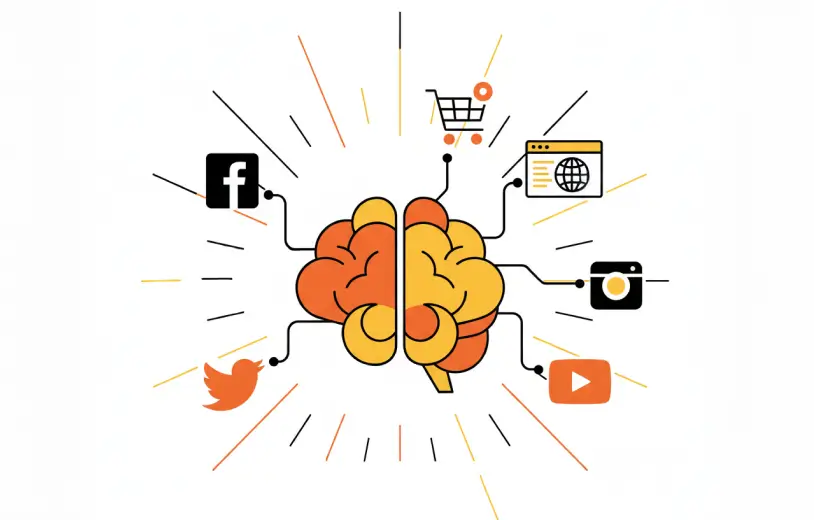
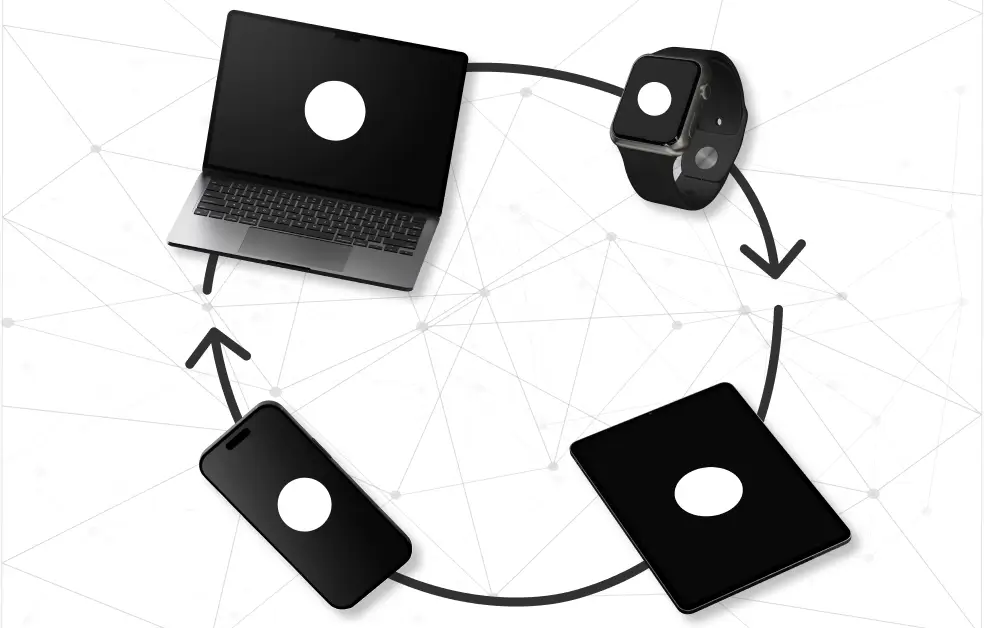
When it comes to digital commerce, customers interact with brands across numerous touchpoints. From browsing a website on their laptop to scrolling through social media on their phone, and eventually making a purchase on an e-commerce platform, the customer journey is rarely linear.
For enterprises, simply having a presence on these channels isn’t enough; the key to success lies in creating a seamless, integrated experience.
This is where an omnichannel marketing strategy becomes indispensable.
What is Omnichannel Marketing?
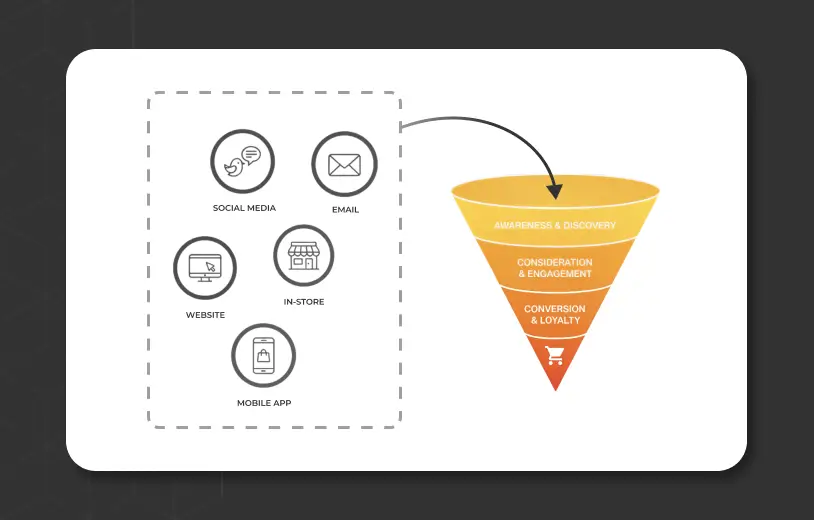
At its core, omnichannel marketing is a customer-centric approach that unifies the customer experience across all available channels – both online and offline.
Unlike multichannel marketing, which means being present on multiple channels, omnichannel focuses on providing a consistent and cohesive brand experience, no matter how or where a customer chooses to interact.
It’s about ensuring that every touchpoint works together to create a singular, uninterrupted journey.
Imagine a customer browsing your products on your website, adding an item to their cart, and then getting sidetracked.
With an effective omnichannel strategy, they might later receive a targeted ad on social media featuring that same item, or even an email reminder.
When they return to complete their purchase, their cart is still waiting, and their previous interactions are remembered, allowing for a personalized experience.
Why is an Omnichannel Marketing Strategy Crucial for Enterprises?
For large organizations with diverse product lines and extensive customer bases, the benefits of an omnichannel marketing strategy are profound:
- Enhanced Customer Experience: Customers expect convenience and personalization. An omnichannel approach delivers this by removing friction and making every interaction feel tailored.
- Increased Customer Loyalty and Retention: When customers feel understood and valued across all touchpoints, they are more likely to remain loyal to your brand.
- Improved Data Insights: By integrating data from various channels, enterprises gain a holistic view of customer behavior, preferences, and pain points. This enables more informed decision-making and more effective marketing campaigns.
- Higher Conversion Rates: A seamless journey reduces abandonment rates and guides customers more effectively towards purchase.
- Operational Efficiency: While seemingly complex, a well-implemented omnichannel strategy can streamline marketing efforts by consolidating data and automating processes across platforms.
Omnichannel Marketing Examples in Action
Let’s look at some practical omnichannel marketing examples:
- Retail: A customer uses a brand’s mobile app to check in-store stock availability, then visits the physical store to try on an item. Later, they receive an email with personalized recommendations based on their in-store visit and online browsing history.
- Hospitality: A guest books a hotel room online, receives check-in instructions via SMS, and then uses the hotel’s app to order room service and control the smart features in their room. Post-stay, they receive a personalized offer for their next visit.
- Financial Services: A client starts a loan application on their desktop, saves their progress, and later completes it on their tablet. They then receive updates and support via their preferred communication method, whether it’s email, a secure message within their online banking portal, or a phone call.
Building Your Enterprise Omnichannel Marketing Platform
Implementing an omnichannel marketing platform requires strategic planning and the right technology. Here are key components:
- Centralized Customer Data Platform (CDP): This is the foundation. A CDP collects and unifies customer data from all sources, creating a single, comprehensive customer profile.
- Marketing Automation Software: Tools that automate email campaigns, social media posts, and personalized offers based on customer behavior.
- CRM Integration: Connecting your customer relationship management system ensures sales and customer service teams have access to the same unified customer data.
- Content Management System (CMS): A robust CMS helps deliver consistent brand messaging and content across your website, social media, and other digital assets.
- Analytics and Reporting Tools: Essential for tracking performance across channels, identifying areas for improvement, and demonstrating ROI.
The journey to a truly integrated omnichannel marketing strategy is continuous.
It requires a commitment to understanding your customer, investing in the right technology, and fostering a culture of collaboration across your marketing, sales, and customer service teams.
Ready to Build Your Omnichannel Strategy?
Omnichannel marketing for a large enterprise requires deep expertise.
Fahrenheit Marketing specializes in helping high-end brands like yours integrate and optimize their digital channels to create seamless customer experiences.
Schedule your free consultation with our team of marketing experts today.